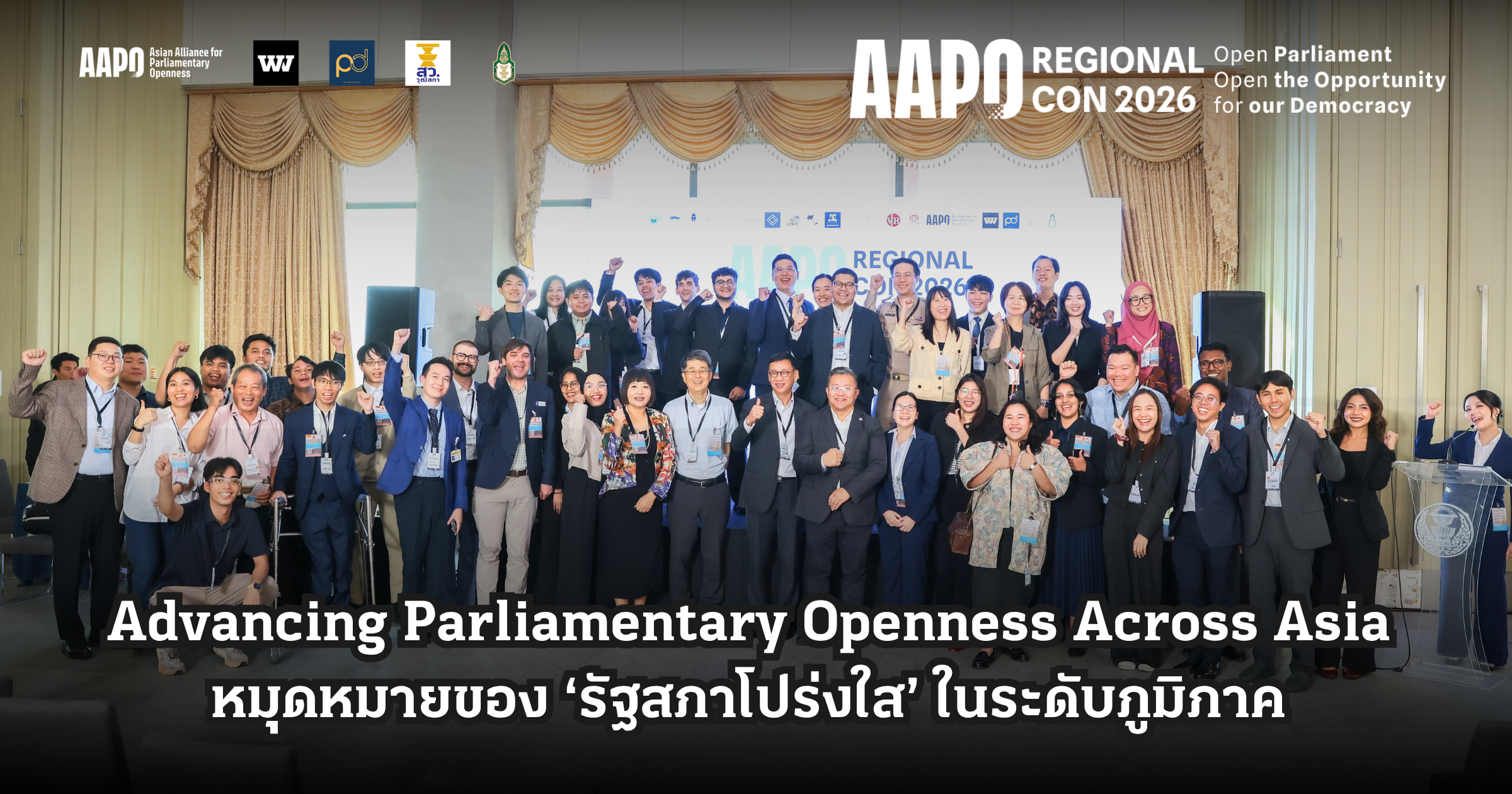
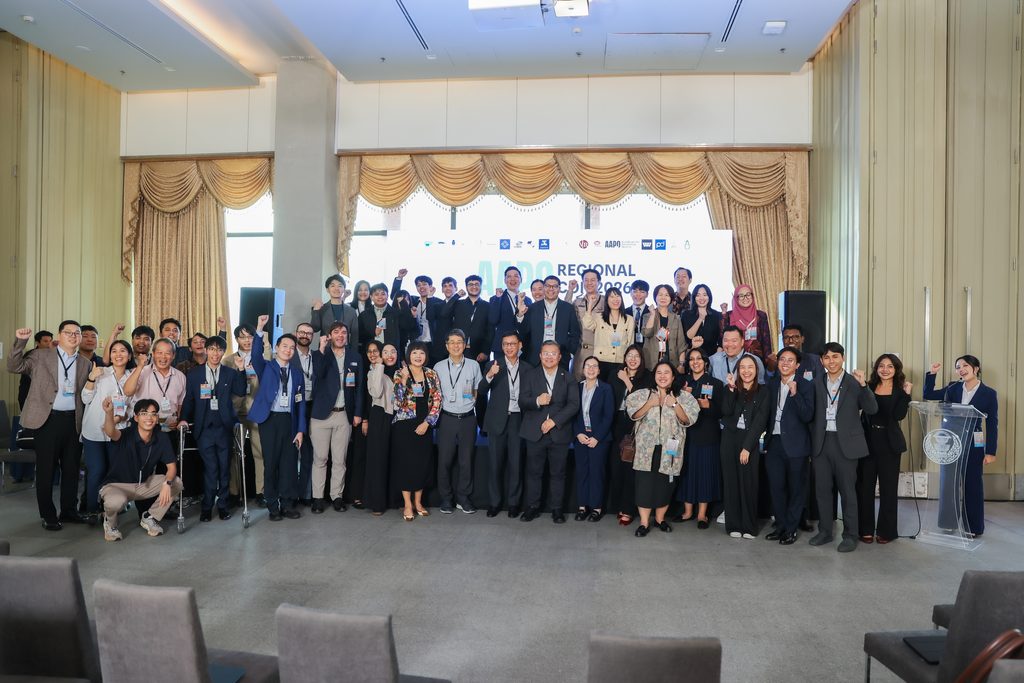
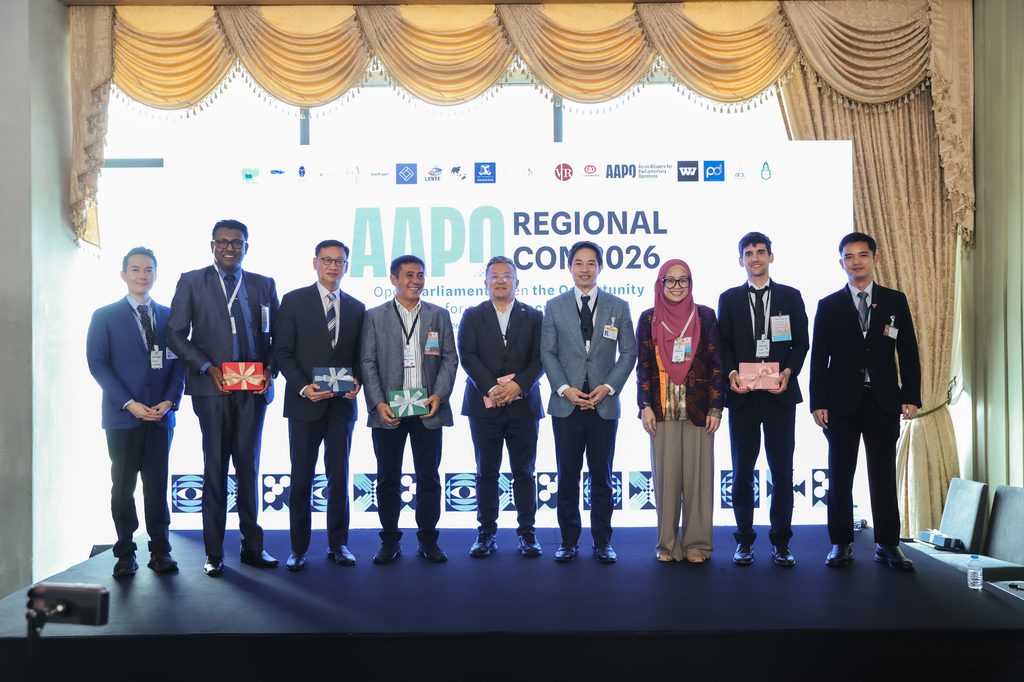
วันจันทร์ที่ 26 ตุลาคม 2569 ณ สัปปายะสภาสถาน (อาคารรัฐสภา) WeVis ในนามเครือข่ายพันธมิตรเอเชียเพื่อความโปร่งใสของรัฐสภา (Asian Alliance for Parliamentary Openness: AAPO) ร่วมกับคณะกรรมาธิการการการพัฒนาการเมืองฯ วุฒิสภา คณะกรรมาธิการการพัฒนาการเมืองฯ สภาผู้แทนราษฎร และสถาบันพระปกเกล้า จัดเวทีความร่วมมือระหว่างภาคประชาสังคมและสถาบันนิติบัญญัติจาก 10 ประเทศทั่วเอเชีย ในชื่อ AAPO Regional Con 2026 เพื่อแนะนำเครือข่าย AAPO พร้อมกับเปิดตัว Asian Parliamentary Openness Index (APOI) ดัชนี้ประเมินความโปร่งใสของรัฐสภาที่พัฒนาร่วมกัน
เน้นยำหลักคิด ‘Open Parliament, Open the Opportunity for our Democracy’
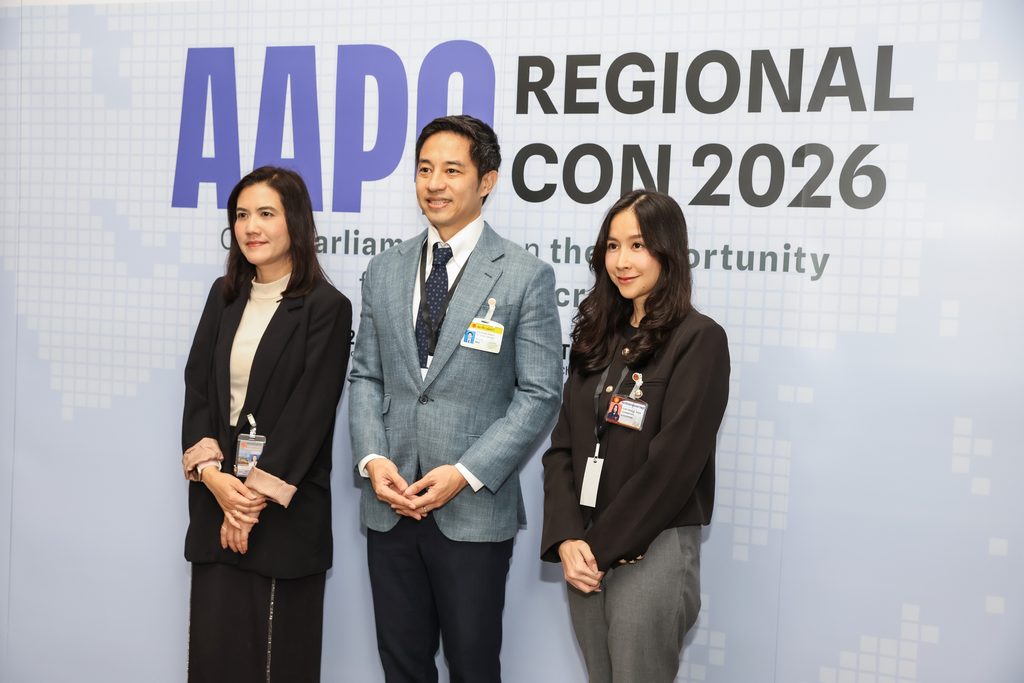
ในช่วงกล่าวต้อนรับ ตัวแทนจากรัฐสภาไทยและสถาบันพระปกเกล้า เอ่ยถึงความสำคัญของรัฐสภาโปร่งใส กระบวนการผลักดันให้รัฐสภาเปิดกว้าง และการเพิ่มความรับผิดชอบต่อประชาชน โดยเน้นย้ำในมิติการทำงานร่วมกับภาคประชาสังคมในระดับภูมิภาค ซึ่งเป็นหนึ่งแนวทางที่พัฒนาประชาธิปไตยให้ดีขึ้นได้
นรเศรษฐ์ ปรัชญากร ประธานคณะกรรมาธิการการพัฒนาการเมืองฯ วุฒิสภา กล่าวถึงหลักการพื้นฐานว่า รัฐสภาใช้อำนาจในนามของประชาชน และในฐานะวุฒิสมาชิก รัฐสภาควรต้องทำงานบนฐานคิดว่าประชาชนจะเข้าถึงและเข้าใจการทำงานของรัฐสภา รวมทั้งมีส่วนร่วมในการกำหนดกฎหมายที่ส่งผลต่อชีวิตได้อย่างไรบ้าง พร้อมกล่าวถึงความสำเร็จของเครือข่าย AAPO และความตั้งใจของรัฐสภาในการผลักดันวาระนี้เพื่อเสริมสร้างเครือข่าย ‘รัฐสภาเปิด’ ในระดับภูมิภาค และร่วมกันจัดทำแผนปฏิบัติการสำหรับปีถัดไป
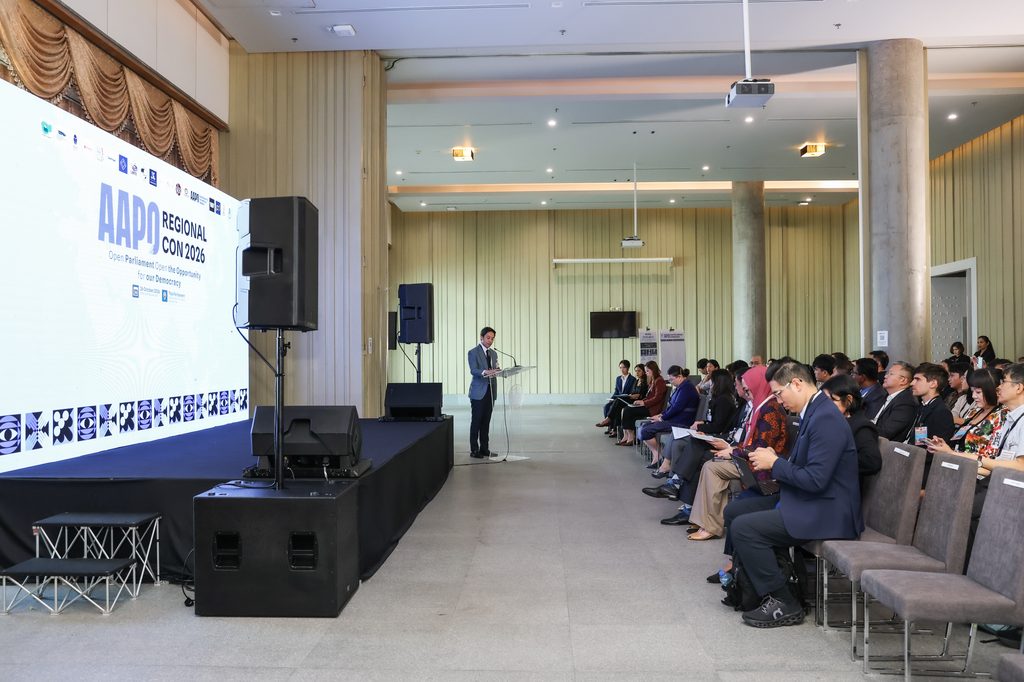
ชลณัฏฐ์ โกยกุล โฆษกคณะกรรมาธิการการพัฒนาการเมืองฯ สภาผู้แทนราษฎร ชี้ให้เห็นว่า รัฐสภาเปิดไม่ได้หมายถึงเพียงการเผยแพร่ข้อมูลหรือทำให้ข้อมูลเข้าถึงได้ทางออนไลน์เพียงเท่านั้น แต่ต้องทำให้ประชาชนเข้าใจข้อมูล ตรวจสอบผู้ใช้อำนาจ และมีส่วนร่วมในการผลักดันนโยบายได้จริง อีกทั้งเสริมว่า APOI เป็นเครื่องมือที่จะช่วยให้รัฐสภาแต่ละประเทศเรียนรู้จากประสบการณ์ของกันและกัน โดยเฉพาะแนวทางส่งเสริมการมีส่วนร่วมของประชาชน พร้อมยืนยันความมุ่งมั่นของรัฐสภาไทยในการขับเคลื่อนวาระนี้ และหวังให้การประชุมนำไปสู่ความร่วมมือที่เป็นรูปธรรม
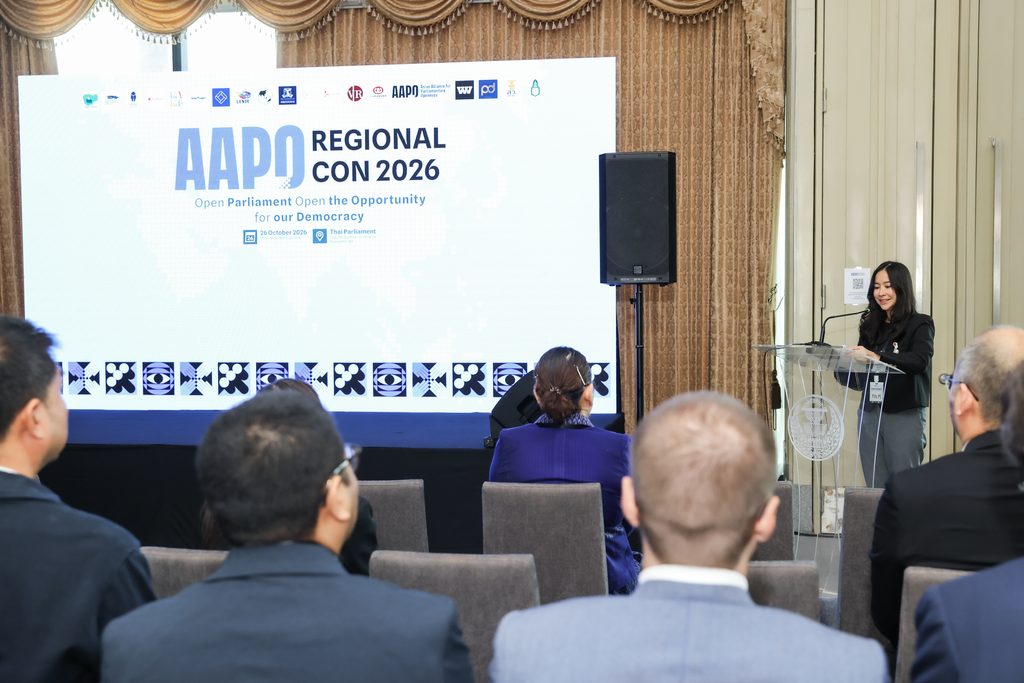
รศ.ดร.กมลพร สอนศรี ผู้ช่วยเลขาธิการ สถาบันพระปกเกล้า เน้นย้ำว่ารัฐสภามีบทบาทสำคัญในการเป็นกระบอกเสียงให้ประชาชน ดังนั้น รัฐสภาเปิดจึงต้องไปไกลกว่าการเปิดเผยข้อมูล ด้วยการทำให้ข้อมูลเข้าใจง่ายและเปิดโอกาสให้เสียงของประชาชนได้รับการรับฟัง ซึ่งจะช่วยเสริมสร้างประชาธิปไตยให้เข้มแข็ง แม้ประเทศสมาชิก AAPO จะมีระบบรัฐสภาที่แตกต่างกัน แต่ทุกประเทศสามารถแลกเปลี่ยนเรียนรู้และระบุประเด็นที่ควรพัฒนาได้ โดยสถาบันพระปกเกล้าพร้อมสนับสนุนการดำเนินงานผ่านการวิจัยและจัดทำเวทีสนทนาสาธารณะ พร้อมมองว่าการประชุมครั้งนี้เป็นจุดเริ่มต้นของการยกระดับการเข้าถึงข้อมูลรัฐสภาและสร้างโอกาสให้ประชาชนมีส่วนร่วมมากยิ่งขึ้น
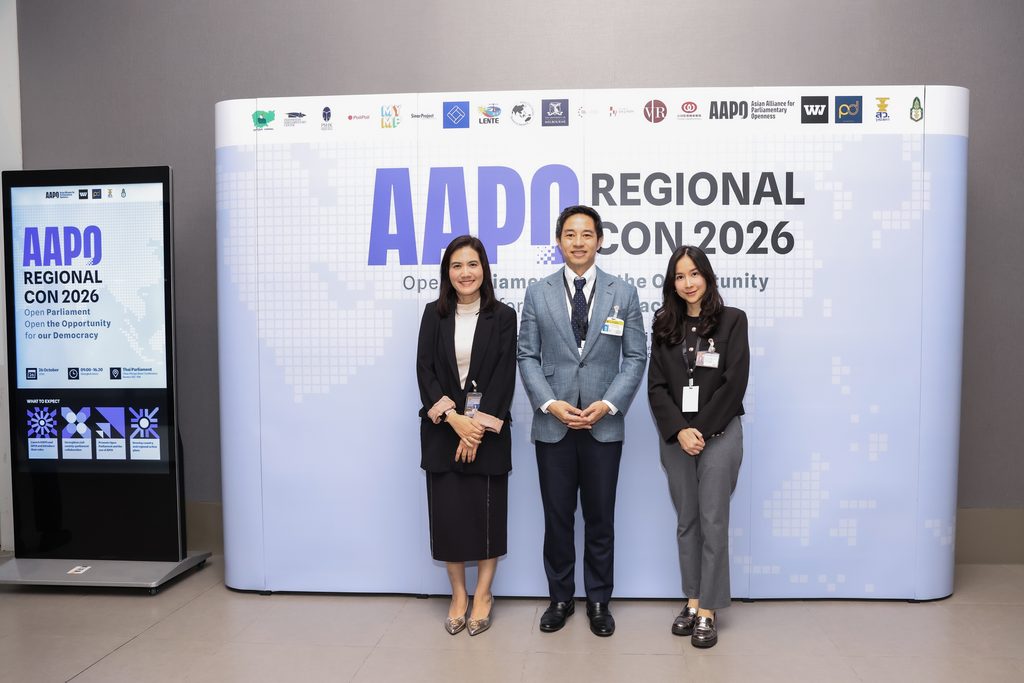
วงเสวนา 1 จุดเริ่มต้นเครือข่ายพันธมิตรเอเชียเพื่อความโปร่งใสของรัฐสภา (AAPO)
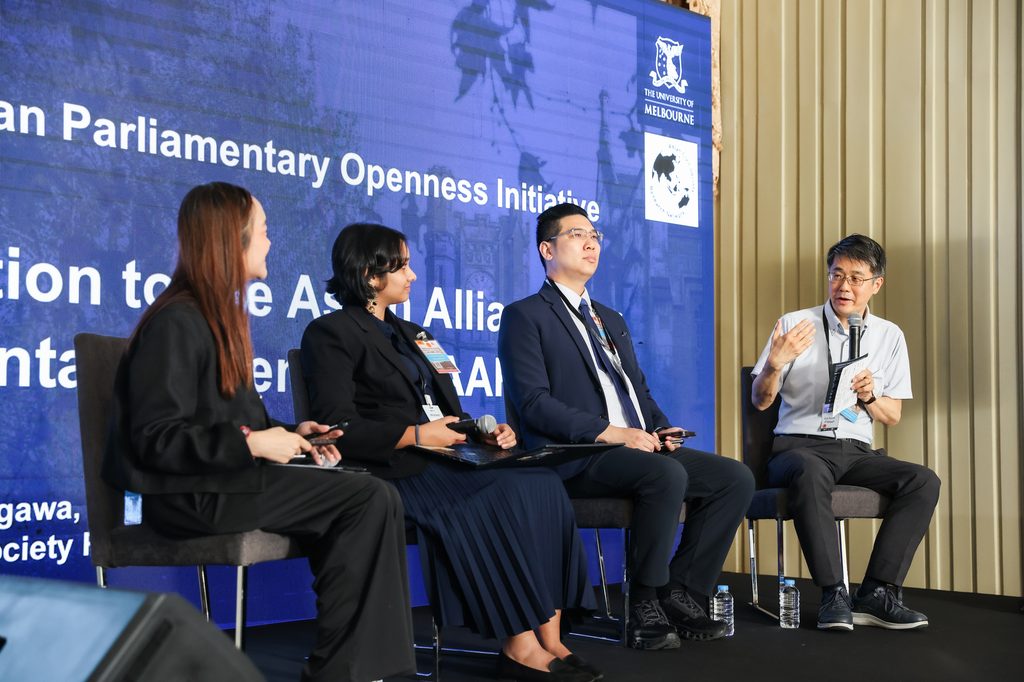
ในวงเสวนาแรก เริ่มต้นด้วยการแนะนำเครือข่าย AAPO อย่างเป็นทางการ โดยผู้ร่วมก่อตั้งเครือข่าย 3 คน ดำเนินรายการโดย ธนิสรา เรืองเดช CEO และผู้ร่วมก่อตั้ง WeVis
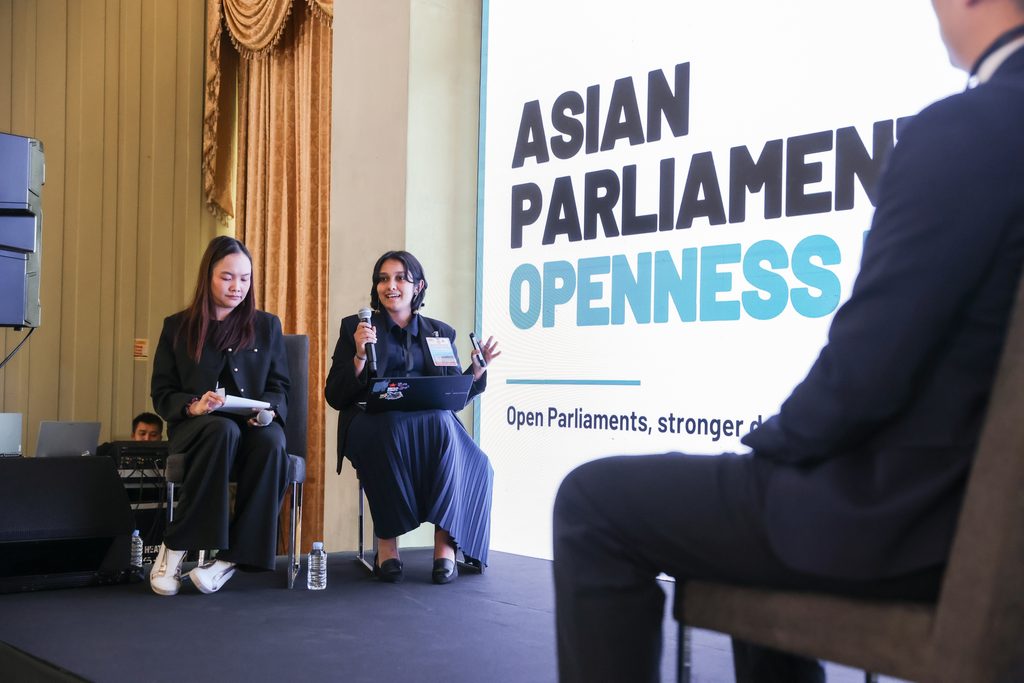
Akhihiro Ogawa ผู้แทนจากมหาวิทยาลัยเมลเบิร์น เล่าเบื้องหลังการริเริ่มก่อตั้งเครือข่าย AAPO หลังจากการประชุมเชิงปฏิบัติการที่เมลเบิร์นในปี 2023 ระหว่างองค์กรติดตามตรวจสอบรัฐสภา (Parliamentary Monitoring Organization :PMOs) และองค์กรภาคประชาสังคมในเอเชีย เพื่อพัฒนาดัชนี APOI สำหรับประเมินความเปิดกว้างและความรับผิดชอบที่ตรวจสอบได้ของรัฐสภาอย่างเป็นระบบ ท่ามกลางสถานการณ์ประชาธิปไตยถดถอยในภูมิภาค ซึ่งสะท้อนผ่านการลดทอนกลไกตรวจสอบถ่วงดุล การแทรกแซงองค์กรอิสระ และการรวมศูนย์อำนาจในฝ่ายบริหารที่มากขึ้น
James Kan ผู้แทนจาก Citizen Congress Watch ไต้หวัน เล่าถึงเบื้องหลังของแนวคิดในการพัฒนาดัชนี APOI ว่าเกิดขึ้นจากความแตกต่างของมาตรฐานและความเข้าใจเรื่องรัฐสภาเปิดของแต่ละประเทศ จึงจำเป็นต้องมีกรอบประเมินร่วมกันเพื่อให้สามารถเปรียบเทียบและเรียนรู้ระหว่างประเทศได้ โดยนำบทเรียนจากดัชนีรัฐสภาเปิดในภูมิภาคลาตินอเมริกาและแอฟริกา รวมถึงตัวชี้วัดรัฐสภาประชาธิปไตยของสหภาพรัฐสภา (IPU) มาประยุกต์ใช้ ผ่านกระบวนการที่ให้ภาคประชาสังคมเป็นผู้นำและภาควิชาการร่วมสนับสนุน เพื่อพัฒนาดัชนีจากบริบทและความต้องการของภูมิภาคเอเชียโดยตรง
Tasha Goonewardene ผู้แทนจาก Verité Research ศรีลังกา เน้นยำว่าเป้าหมายของการประเมินไม่ใช่การตัดสินประสิทธิภาพการทำงานของรัฐสภา แต่เป็นการวัดความเปิดกว้างในการเปิดเผยข้อมูลและเชื่อมโยงประชาชนกับรัฐสภาอย่างต่อเนื่อง เพื่อให้ประชาชนสามารถติดตามตรวจสอบผู้แทนและร่วมพัฒนารัฐสภาให้โปร่งใสและตอบสนองต่อประชาชนได้มากยิ่งขึ้น ดัชนี APOI จึงถูกพัฒนาเพื่อใช้ประเมินความเปิดกว้างของรัฐสภา (Openness) ใน 3 ด้าน ประกอบด้วย การเปิดเผยข้อมูล ความรับผิด และการมีส่วนร่วมของประชาชน พร้อมนำเสนอแพลตฟอร์ม APOI และข้อคำถามที่ใช้วัดความเปิดกว้างของแต่ละด้าน
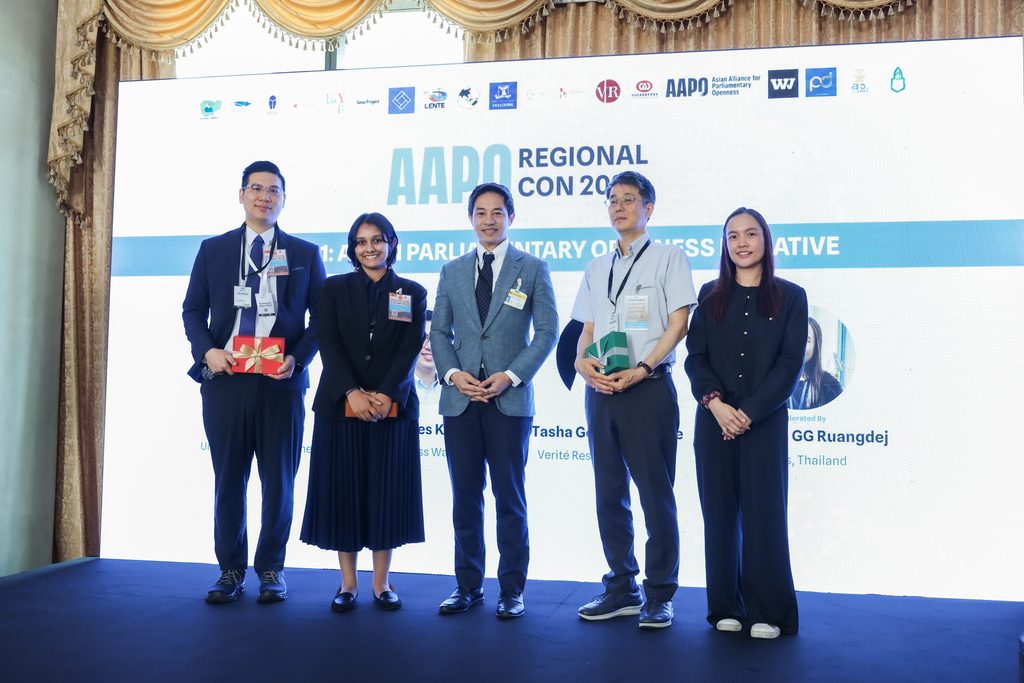
วงเสวนา 2 แลกเปลี่ยนประสบการณ์การผลักดัน #รัฐสภาเปิด จากผู้แทนรัฐสภา
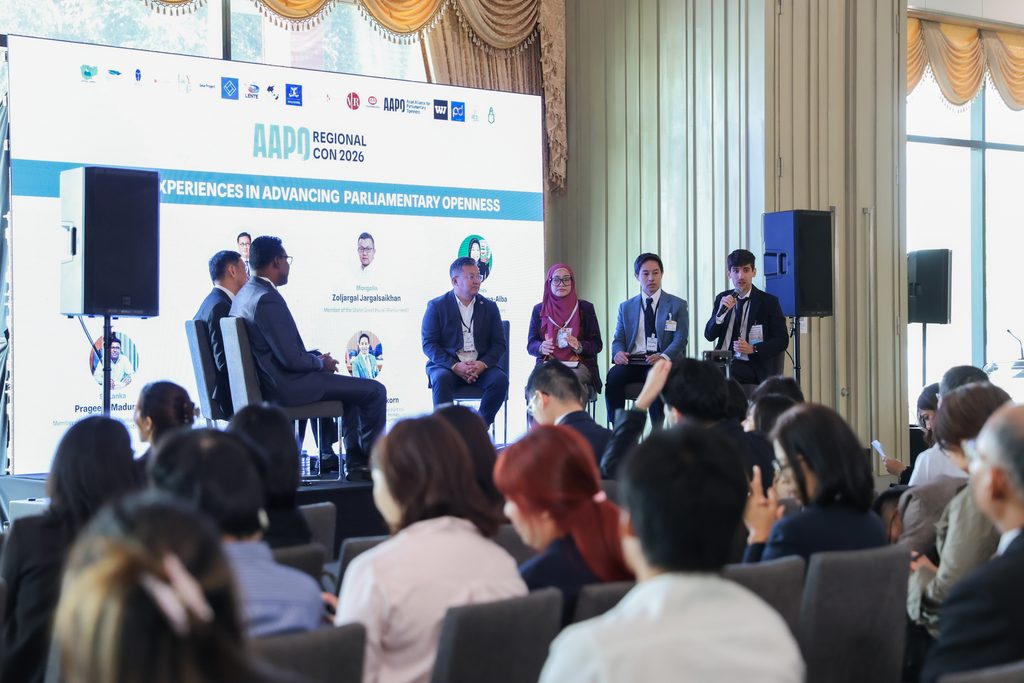
วงเสวนานี้เปิดพื้นที่ให้ผู้แทนจากรัฐสภาของประเทศสมาชิก AAPO ทั้ง 7 ประเทศ ได้แก่ นรเศรษฐ์ ปรัชญากร จากไทย Syamsu Rizal จากอินโดนีเซีย Wong Chen จากมาเลเซีย Zoljargal Jargalsaikhan จากมองโกเลีย Sha Elijah Dumama-Alba จากฟิลิปปินส์ (ผู้แทนจากสภาของเขตปกครองตนเองบังซาโมโร) Prageeth Maduranga จากศรีลังกา และ Ngalim Tiunn จากไต้หวัน ร่วมแลกเปลี่ยนประสบการณ์และแนวปฏิบัติในการส่งเสริมรัฐสภาเปิด โดยนำเสนอบริบทของรัฐสภาตนเองผ่านมิติการประเมินของ APOI ประเด็นที่ผลักดัน ข้อจำกัดที่พบ และแผนงานในอนาคตเพื่อยกระดับความเปิดกว้างของรัฐสภา ความร่วมมือกับ PMOs และเครือข่าย AAPO โดยมี Juan Krahl ผู้ประสานงานโครงการจาก Directorio Legislativo เป็นผู้ดำเนินรายการและเปิดช่วงถามตอบ เพื่อแลกเปลี่ยนมุมมองระหว่างผู้แทนจากแต่ละประเทศและผู้เข้าร่วม
ถกปัญหาและร่างข้อเสนอ อีกก้าวของ #รัฐสภาเปิด
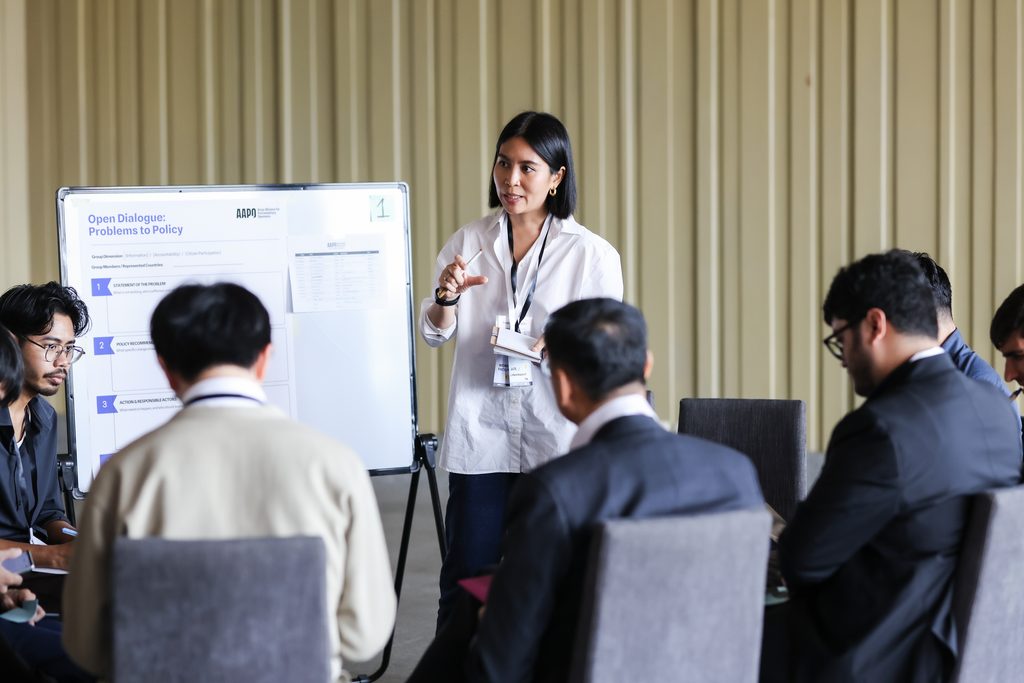
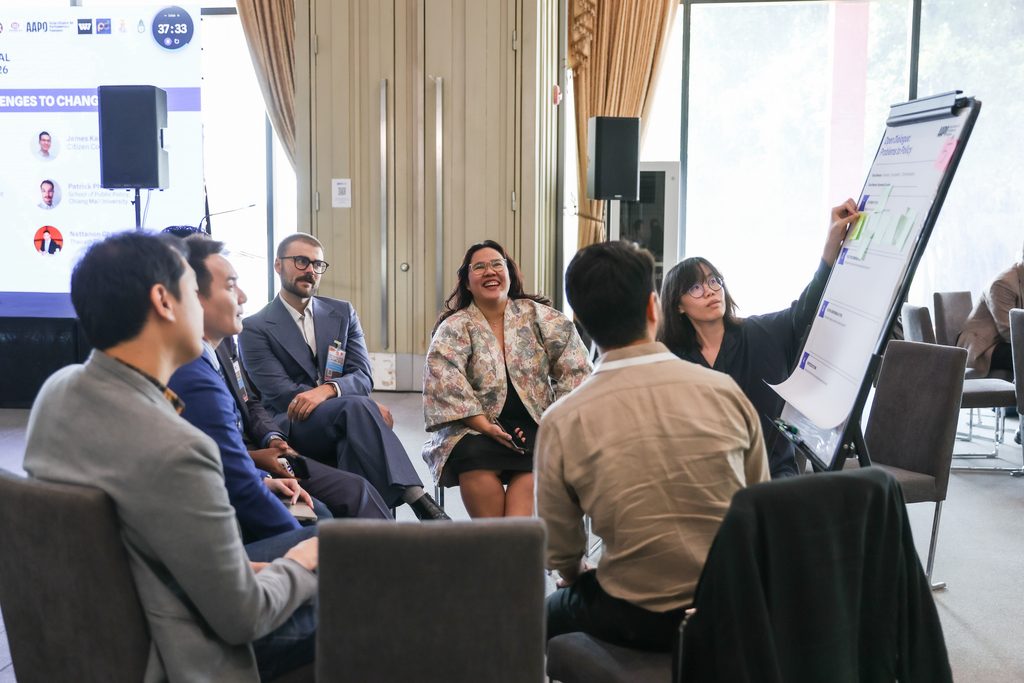
ในช่วงสุดท้ายของเวทีความร่วมมือ เปิดพื้นที่ให้ผู้เข้าร่วมจากหลากประเทศและหลายบทบาท ร่วมแลกเปลี่ยนสนทนา เพื่อสะท้อนปัญหาหรือข้อจำกัดที่พบในบริบทรัฐสภาของตน พร้อมจัดทำข้อเสนอแนะเชิงนโยบายในระดับภูมิภาคร่วมกัน
วงเสวนาแบ่งออกเป็น 2 ช่วงหลัก ได้แก่ การระบุปัญหาและการจัดทำข้อเสนอแนะเชิงนโยบาย
โดยช่วงแรก ผู้เข้าร่วมร่วมกันระบุ อธิบาย และจัดลำดับความสำคัญของปัญหาของรัฐสภาเปิดตาม 3 มิติของ APOI ได้แก่ การเปิดเผยข้อมูลและความโปร่งใส ความรับผิด และการมีส่วนร่วมของประชาชนกับรัฐสภา ก่อนคัดเลือกปัญหาร่วมเพื่อกำหนดเป็นประเด็นปัญหาสำหรับการอภิปรายในช่วงที่สอง
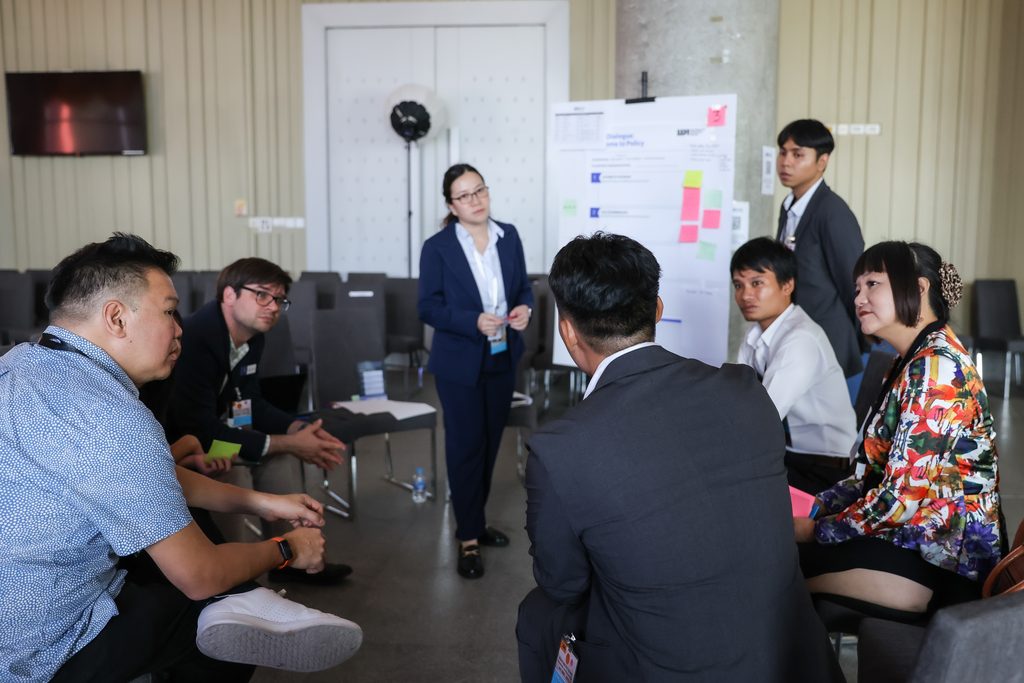
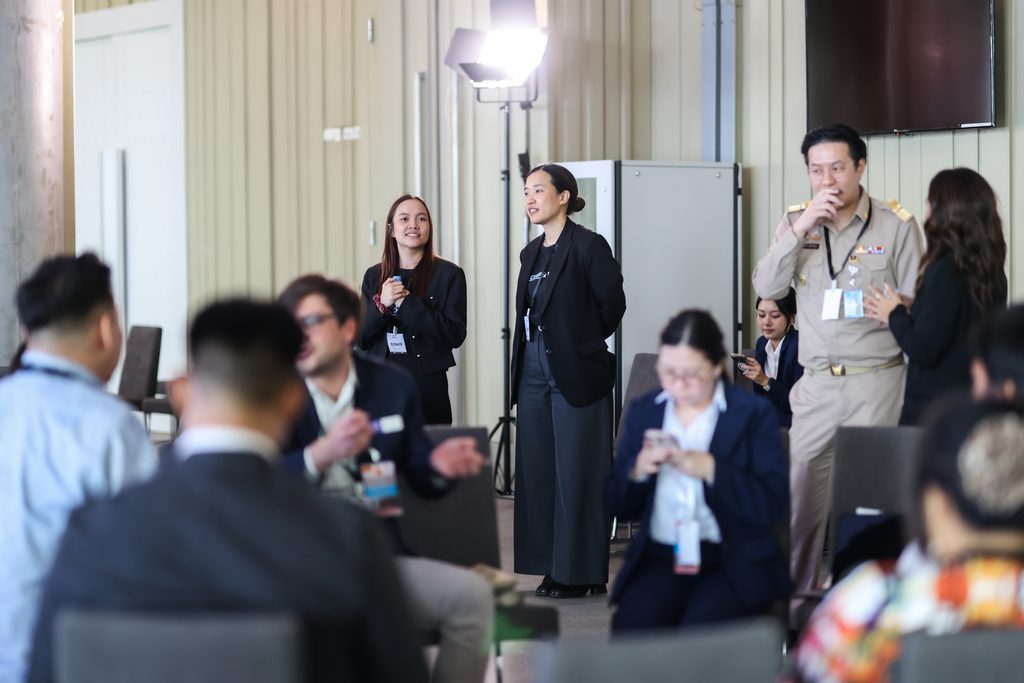
ช่วงที่สอง ผู้เข้าร่วมพูดคุยเพื่อพัฒนาแนวทางแก้ไขปัญหา โดยร่วมกันอภิปรายแนวทางแก้ไขอย่างละเอียด ทั้งการดำเนินงาน ผู้รับผิดชอบ และผลลัพธ์ที่คาดหวัง พร้อมพิจารณาความเหมาะสมในการนำไปปรับใช้ในระดับภูมิภาค ก่อนสังเคราะห์เป็นข้อเสนอแนะเชิงนโยบายและนำเสนอร่วมกัน เพื่อผลักดันแนวทางยกระดับรัฐสภาเปิดให้เกิดผลอย่างเป็นรูปธรรม
การประชุมครั้งนี้ถือเป็นก้าวสำคัญในการส่งเสริมความเปิดกว้างของรัฐสภาทั่วเอเชีย ผ่านการสร้างกรอบความร่วมมือระดับภูมิภาคร่วมกัน โดยมีผลลัพธ์สำคัญ ได้แก่ เครือข่าย AAPO ดัชนี APOI และการแลกเปลี่ยนประสบการณ์และบทเรียนระหว่างองค์กรภาคประชาสังคมและสถาบันนิติบัญญัติจาก 10 ประเทศในเอเชีย
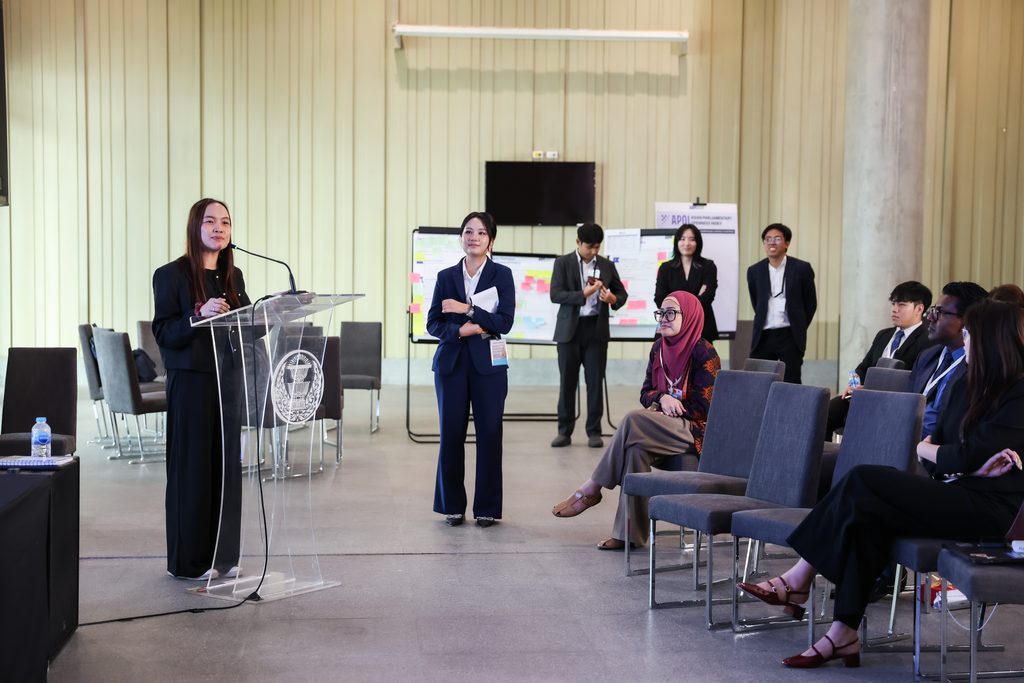
AAPO Regional Con 2026: Advancing Parliamentary Openness Across Asia
On Monday, 26 October 2026, at Thai Parliament, WeVis, representing the Asian Alliance for Parliamentary Openness (AAPO), in collaboration with Parliamentary Committees on Political Development, and King Prajadhipok’s Institute, convened AAPO Regional Con 2026. The event brought together civil society organizations and legislative institutions from 10 Asian countries to introduce the AAPO network and launch the jointly developed Asian Parliamentary Openness Index (APOI), an index for assessing parliamentary openness.
Emphasizing the Principle: ‘Open Parliament, Open the Opportunity for Our Democracy’
In the welcoming remarks, representatives from Thai Parliament and King Prajadhipok’s Institute highlighted the importance of parliamentary openness, efforts to make parliaments more open, and greater accountability to the public. They emphasized regional collaboration with civil society as a shared approach to strengthening democracy.
Noraseth Prachayakorn, Chair of the Senate Committee on Political Development, stressed the fundamental principle that Parliament exercises power on behalf of the people. As senators, parliamentary representatives must consider how citizens can access and understand parliamentary proceedings and participate in shaping laws that affect their lives. He also highlighted the progress made by AAPO network and Parliament’s commitment to advancing this agenda, strengthening the regional open parliament network, and jointly developing an action plan for the coming year.
Chonlanat Koaykul, Spokesperson for the House of Representatives Committee on Political Development, emphasized that an open parliament means more than publishing information or making it available online. It must also ensure that people understand the information, can hold those in power accountable, and can meaningfully participate in policy advocacy. She described APOI as a practical tool that enables parliaments to learn from one another, particularly in promoting citizen participation. She reaffirmed the Thai Parliament’s commitment to advancing this agenda and expressed hope that the conference would lead to concrete collaboration.
Associate Professor Dr. Gamolporn Sornsri, Assistant Secretary-General of King Prajadhipok’s Institute, emphasized Parliament’s important role in representing the voices of the people. An open parliament must therefore go beyond disclosing information by making it understandable and ensuring that citizens’ voices are heard, both of which help strengthen democracy. Although AAPO member countries have different parliamentary systems, they can learn from one another and identify areas for improvement. King Prajadhipok’s Institute stands ready to support these efforts through research and public dialogues. She described the conference as a starting point for improving public access to parliamentary information and creating more opportunities for citizen participation.
Panel 1: Asian Parliamentary Openness Initiative
The first panel formally introduced AAPO network, featuring three of its co-founders and moderated by Thanisara Ruangdej, CEO and co-founder of WeVis.
Akhihiro Ogawa, representing the University of Melbourne, discussed the origins of AAPO following a 2023 workshop in Melbourne that brought together Parliamentary Monitoring Organizations (PMOs) and civil society organizations across Asia. The initiative sought to develop APOI as a systematic framework for assessing parliamentary openness and accountability. He highlighted the need for such collaboration amid democratic backsliding across the region, reflected in the erosion of checks and balances, interference in independent institutions, and the increasing concentration of executive power.
James Kan, representing Citizen Congress Watch, Taiwan, explained that APOI was developed in response to differences in how countries define and measure parliamentary openness. A common assessment framework is needed to enable meaningful comparisons and mutual learning across countries. The index draws on lessons from open parliament indices in Latin America, Africa, as well as the Inter-Parliamentary Union’s (IPU) Indicators for Democratic Parliaments. Civil society leads the process, with support from academia, ensuring that the index is developed from the ground up to reflect the context and needs of Asia.
Tasha Goonewardene, representing Verité Research, Sri Lanka, emphasized that the purpose of the assessment is not to judge parliamentary performance, but to measure openness in disclosing information and maintaining connections between citizens and Parliament. This enables citizens to continuously monitor their representatives and help make Parliament more transparent and responsive to public needs. APOI assesses parliamentary openness across three dimensions: openness on information, openness on accountability, and openness on citizen participation. She also introduced the APOI platform and the questions used to assess openness across these dimensions.
Panel 2: Sharing Parliamentary Experiences in Advancing #OpenParliament
This panel provided a platform for representatives from the parliaments of seven AAPO members—Thailand, Indonesia, Malaysia, Mongolia, the Philippines, Sri Lanka, and Taiwan—to exchange experiences and practices in advancing open parliament initiatives.
The speakers were Noraseth Prachayakorn of Thailand; Syamsu Rizal of Indonesia; Wong Chen of Malaysia; Zoljargal Jargalsaikhan of Mongolia; Sha Elijah Dumama-Alba of the Bangsamoro Parliament in the Philippines; Prageeth Maduranga of Sri Lanka; and Ngalim Tiunn of Taiwan.
Each representative shared their parliament’s context in relation to APOI assessment dimensions, along with ongoing initiatives, challenges, and future plans to improve parliamentary openness. They also discussed opportunities to collaborate with PMOs and AAPO network. Juan Krahl, Program Coordinator at Directorio Legislativo, moderated the discussion and facilitated a Q&A session, allowing speakers and participants to exchange perspectives across countries.
Discussing Challenges and Developing Recommendations: Another Step Toward #OpenParliament
The final session brought together participants from different countries and professional backgrounds to discuss challenges and limitations within their respective parliamentary contexts and jointly develop regional policy recommendations.
The workshop consisted of two main discussions: problem identification and policy recommendation development. In the first session, participants identified, explained, and prioritized challenges related to each APOI dimensions. Participants then selected shared priority problems to serve as the basis for the second discussion.
In the second session, participants worked together to develop solutions to the identified problems. They discussed proposed actions, responsible stakeholders, and expected outcomes, while considering how the solutions could be adapted and implemented across the region. The session concluded with participants synthesizing their discussions into policy recommendations and presenting them collectively, with the aim of advancing practical and tangible improvements in parliamentary openness across Asia.
The conference marked an important step toward strengthening parliamentary openness across Asia through a shared regional framework. Key outcomes included the introduction of AAPO, the launch of APOI, and the exchange of experiences and lessons learned among civil society organizations and legislative institutions from 10 Asian countries.